
B23 · New Energy Vehicle
Battery Electric Vehicles (C36 Independent) Stainless Steel Plate: 316L/304 Selection and 7 Part Lists
For Battery Electric Vehicles (C36 Independent), we have organized 7 parts using stainless steel: commonly used 316L / 304 / 441, with thickness ranging from 0.075 to 700 mm.
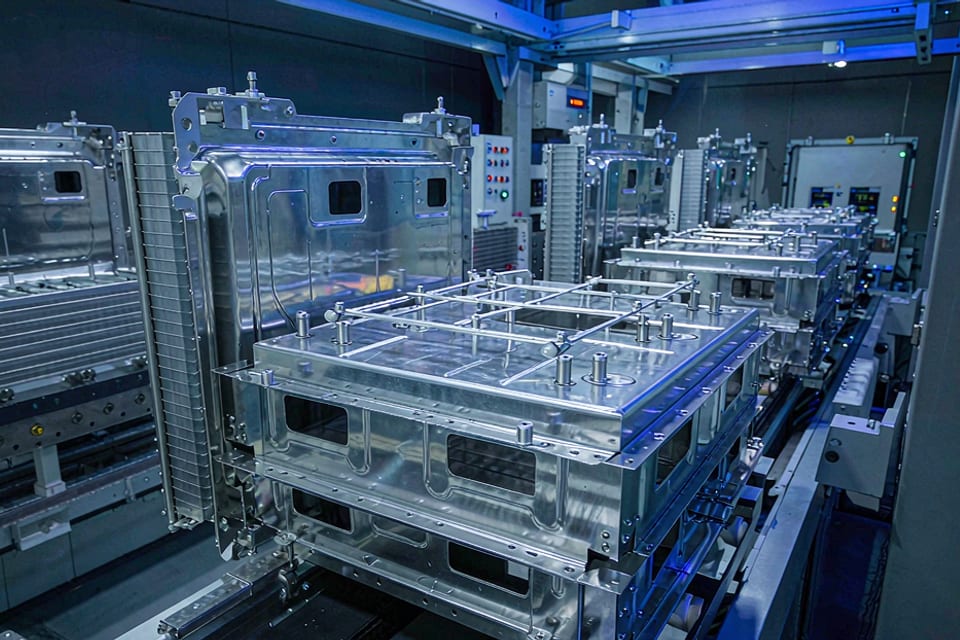
7 Part Lists and Material Recommendations
| Part / Component | Recommended Grade | Specifications / Thickness | Surface | Main Failure Modes | Reference Standards |
|---|---|---|---|---|---|
| Steel Tray/Frame (Steel/Mixed Solution) | 441/304 | Tray Plate 0.8–2.0mm | 2B/Paint/Nickel Coating | Road Salt Spray + Coolant Leak + Vibration Fatigue; Steel Alternative for Aluminum Dominance Requires Corrosion Match | T/ZPP 327—2026;GB/T 3280;GB/T 31467 |
| Battery Steel Shell/Cover Plates/Snug Plates/Electrodes | 304/316L(LiFSI Preferred) | Shell Wall 0.3–0.8mm; Cover Plate 0.5–1.5mm | 2B/Paste Nickel | Electrolyte Corrosion (316L Superior to 304 in LiFSI) + Internal Short Circuit + Vibration Fatigue | GB/T 3280; GB/T 31485; OEM Material Specifications |
| Module End Plates/Snap Fasteners/Cooling Plate Joints | 304/316L/QD2001 | End Plate 1–3mm; M6–M10 | 2B/Passivate | Coolant EG + Cl⁻ + Vibration → Pitting/Erosion Cracks | GB/T 3280;GB/T 3098.6;GB/T 31467 |
| Heat Management Pipes/Fittings/Exchangers | 304/316L | Wall Thickness 0.5–2mm | Lustrous/Acid Pickled | Corrosion+Pressure/Temperature Cyclic Fatigue | GB/T 3280;GB/T 31467 |
| Proton Exchange Membrane (PEM) Electrodes | 316L904L Thin Strip + Coating | 0.075–0.15mm | Coating/Lustrous | Acidic pH 2–4+ Potential Cycling → Pitting+Increased Contact Resistance | GB/T 20042.1;ASTM A240 |
| Inner liner ofH2 Storage Tank for Vehicles, Valve ofH2 Storage Tank for Vehicles, Pipe ofH2 Storage Tank for Vehicles | 316L | Inner Liner 2–8mm, PN350–700bar | 2B/Treated | High Pressure Hydrogen→Hydrogen Embrittlement+Cyclic Fatigue | GB/T 33291;ISO 11114-4;GB/T 35544 |
| Hydrogen Inlet/Reducing Valves/High Pressure Connectors | 316L | By Interface | Treated/Grooved Surface | High Pressure Hydrogen+Quick Charge/Discharge Fatigue+Leakage | ISO 19880-1;GB/T 31138 |
Here areStandard ConfigurationsMaterial selection
Consider usage conditions instead of specifying grades
- The most common grades in this industry are 316L (6), 304 (4), and 441 (1). Parentheses indicate the number of affected areas, starting points for quoting and material procurement.
- Corrosion sources include chloride ions and salts (pointErosion Protection, fretting corrosion) (2/7 hits).
- Thickness range: 0.075–700 mm (thin plates require bend rebound and deep drawing cracking; thick plates need heat input and sensitization for welding).
Common issues
What stainless steel is used in electric vehicles (separate from C36)?
Counting 7 parts, the most frequent is 316L (6 items), followed by 304 (4 items) and 441 (1 item). Specific to a part still depends on the medium and temperature, e.g., stainless countertops that come into contact with salt water should switch from 304 to 316L.
Which parts are most prone to issues?
Based on failure descriptions, typical is "Battery tray/frame (steel/mixed solution)": road salt spray + coolant leak + vibration fatigue; steel alternatives under aluminum dominance need corrosion resistance matching; recommended grades 441/304, thickness 0.8–2.0mm for trays. For these conditions, it's recommended to specify medium concentration, temperature, and cleaning methods during the design phase.
What thickness should I select?
Thickness range in the list is 0.075–700 mm. For thin plates, consider bending and surface finish; for thick plates, welding and structural strength. Values may vary by equipment manufacturer for the same location. Recheck with your drawing or operating conditions.
Material and Specifications
Applications7