
S3 · Sanitary Valves
Gland Valves/Cleanroom Valves (316L Media and Boundary List)
List the media, grades, and boundary conditions for ASME BPE, Ra, and temperature boundary gland valves/cleanroom valves: 4 typical components/processes with recommended grades, specifications, failure reasons, and standards.
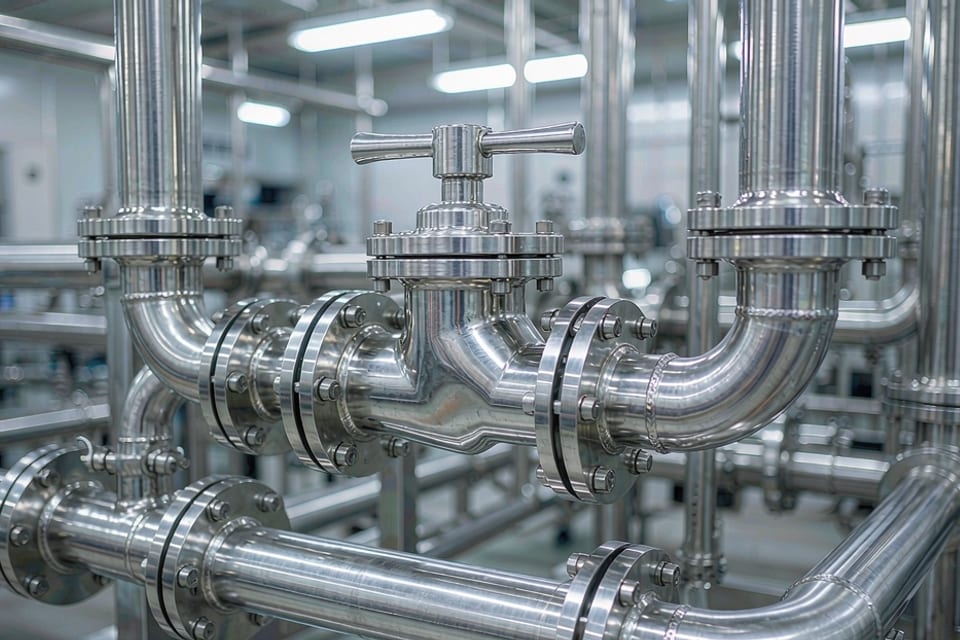
List of Parts and Materials
| Part / Component | Recommended Grade | Size / Thickness | Surface | Main Failure Modes | Reference Standards |
|---|---|---|---|---|---|
| BioClean Sanitary Membrane Valve | 316L(EN1.4409 CF3M/EN1.4404) | DN65–DN80; 0–10bar; -40~210℃ | Ra≤0.5μm(SF1);Ra≤0.375μm(SF4) | Membrane Aging/Dead Legs; CIP/SIP Full Drainage Required | ASME BPE;3-A;EHEDG;FDA |
| Purified Water Contact Membrane Valve | 316L(ASME BPE) | Tolerates 130℃; Installation Angle for Drainage Compliance | Electropolished Ra≤0.4–0.5μm | Hygienic Membrane Valve for Purified Water Contact; ASME BPE 316L Valves | China GMP; ASME BPE |
| ASME BPE Certified Membrane Sealing System | 316L(1.4435) | Biological Process Inlet Components | Standard Ra0.76μm (30μin); BPE Certified Option Ra0.38μm (15μin) Electropolished | Iron Content <1%; Welding Delta-ferrite >3% Significantly Affects Corrosion Resistance | ASME BPE;ASTM A249/S7 |
| Sampling Valves/Bucket Bottom Valves/CIP Spray Balls | 316L | 1/4″–2″; Zero Dead Legs | Ra≤0.375–0.5μm | Representative sampling and cleaning coverage are core functions. Not corrosion. | ASME BPE;3-A |
Table showsStandard Configuration. Same part can use 304, 316L, or 2205 in different media, temperatures, and welding methods—explain conditions better than specifying grades.
Key considerations
- Most common grade is 316L (4) —— parentheses indicate affected areas, useful for quoting and material procurement.
- Frequent cleaning and disinfection increase risk of crevices and intergranular corrosion (2/4 hits).
- Thickness range: 0–210 mm. Thin plates are formed parts (consider bending rebound and deep drawing cracks), thick plates are welded structures (consider heat input and sensitization).
Common issues
Hygienic diaphragm valve/clean valves: Which stainless steel is used most for ASME BPE, Ra, and temperature boundaries?
Out of 4 areas in this catalog, 316L (4 hits) appears most frequently. Specific to a part depends on media and temperature—e.g., stainless countertops need switching from 304 to 316L when exposed to saltwater.
Most problematic parts are which ones?
By failure description, typical is "ASME BPE-certified diaphragm seal system": ferrite content <1%; delta-ferrite in welds >3% significantly affects corrosion resistance; recommended grade 316L (1.4435), suitable for bio-processing contact. For these conditions, specify media concentration, temperature, and cleaning methods at the design stage.
What thickness is needed?
Thickness range: 0–210 mm. Thin plates consider forming and surface quality, thick plates consider welding strength; different manufacturers may use different values based on your drawings or operating conditions—revalidate as necessary.
Related materials and adjacent industries
316LMaterial and SpecificationsStainless Fasteners: A2-70/A4-70/A4-80/D Series and Latest StandardsStainless FastenersCarbon Steel Flanges for Sea Water Desalination: 2205/2507 Pressure-Temperature-Corrosion BoundaryDuplex Flange & DesalinationNitrogen Embrittlement and Chloride Stress Corrosion Cracking: Temperature-Time-Concentration BoundarySensitization & Chloride SCC