
C14 · Food Manufacturing
Select 304/316L Stainless Steel Sheets for Food Manufacturing: Choose and List 8 Parts
List of 8 Stainless Steel Components in Food Industry: Commonly Used 304 / 316L / 430, Thickness from 0.6–8 mm.
8 Locations and Material List
| Location / Part | Recommended Grade | Size / Thickness | Surface | Main Failure Modes | Reference Standards |
|---|---|---|---|---|---|
| Oven Interior/Flue | 304/430 | 0.8–2.0mm | 2B,Ra≤0.8μm | High Temperature Oxidation + Fatty Acid Carbonization + Cleaning Agent | GB/T 3280;GB 4806.9 |
| Baking Dish/Rack | 304/430/316L | 0.6–1.5mm | 2B / Embossed / Coated | Fat Corrosion + Scratching + Thermal Cycling Deformation | GB/T 3280;GB 4806.9 |
| Tunnel Conveyor Belt | 304/314 | Wire Diameter 1.0–3.0mm | Polished / Matte | Thermal Fatigue + Creep Extension + Carbon Buildup | GB/T 17492;GB/T 3280 |
| Sugar Syrup Pot/Sugar Melting Tank | 304/316L | 2.0–5.0mm | 2B,Ra≤0.8μm | High Sugar + High Temperature + Cleaning Agent; Intergranular Corrosion at Welds | GB/T 3280;GB 4806.9 |
| Chocolate Polishing/Forming Contact Surface | 304 | 1.5–4.0mm | 2B / Mirror Finish Ra≤0.4μm | Fat + Sugar Powder Wear + Cleaning | GB/T 3280 |
| OilFrying Pan | 304/316L | 2.0–6.0mm | 2B | High temp oil + salt + acidic cleaner | GB/T 3280;GB 4806.9 |
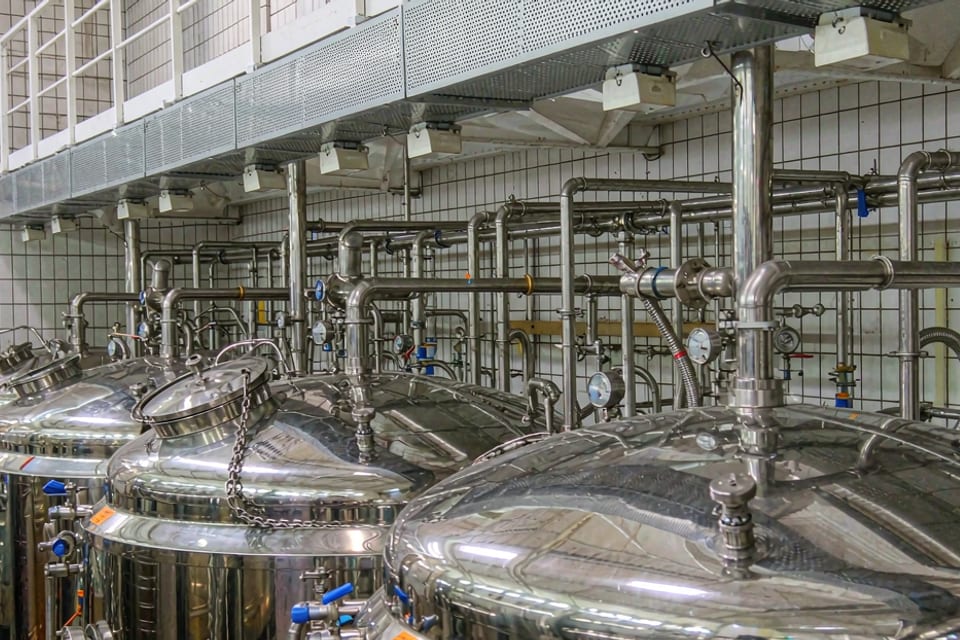
| High salt Cl⁻ + organic acid + microbial corrosion | 316L | 3.0–8.0mm | 2B,Ra≤0.8μm | Fermentation Tank | GB/T 3280;NB/T 47014 |
| Food workstation/Bin | 304/316L | 1.0–3.0mm | 2B/Rolled | Cleaner, Wear, Food Contact | GB/T 3280;GB 4806.9 |
TableBasic Configuration. Find Products, . Explore Suppliers, . Get Quotes, . About Us
Material Selection Tips
- Most common grades in this industry are 304 (7), 316L (5), and 430 (2) —— numbers in parentheses indicate the number of parts involved, useful for quoting and material ordering.
- High-temperature section also accumulates thermal fatigue and oxidation. Use 310S / heat-resistant castings (5/8 hit).
- Frequent cleaning and disinfection magnify the risk of intergranular corrosion (5/8 hit).
- Thickness range 0.6–8 mm: Thin plates are typically formed parts (consider bending rebound and deep drawing cracking), thick plates are typically welded structures (consider heat input and sensitization).
Common issues
What stainless steel is used most in food manufacturing?
Top 8 parts by total number: 304 (7), 316L (5), 430 (2).
Which part is the most problematic?
Typical failure mode: "sugar pot/sugar kettle" - high sugar, high temperature, cleaning agents; weld intergranular corrosion. Recommended grades 304/316L, size 2.0–5.0mm. For this condition, specify media concentration, temperature, and cleaning method in the design phase.
What thickness should I choose?
Thickness range: 0.6–8 mm. Thin plates for forming and surface quality; thick plates for welding strength and structural integrity. Different manufacturers may have different values for the same part based on your drawings or operating conditions. Review with your specific requirements.
Related Materials and Adjacent Industries
Applications8
Thickness0.6–8mm