
C13 · Food Processing
Stainless Steel Plates for Food Processing Industry: 304/316L Selection and 16 Part List
In the food processing industry, we have compiled 16 parts using stainless steel: commonly used 304 / 316L / 420, with thickness ranging from 1-12 mm.
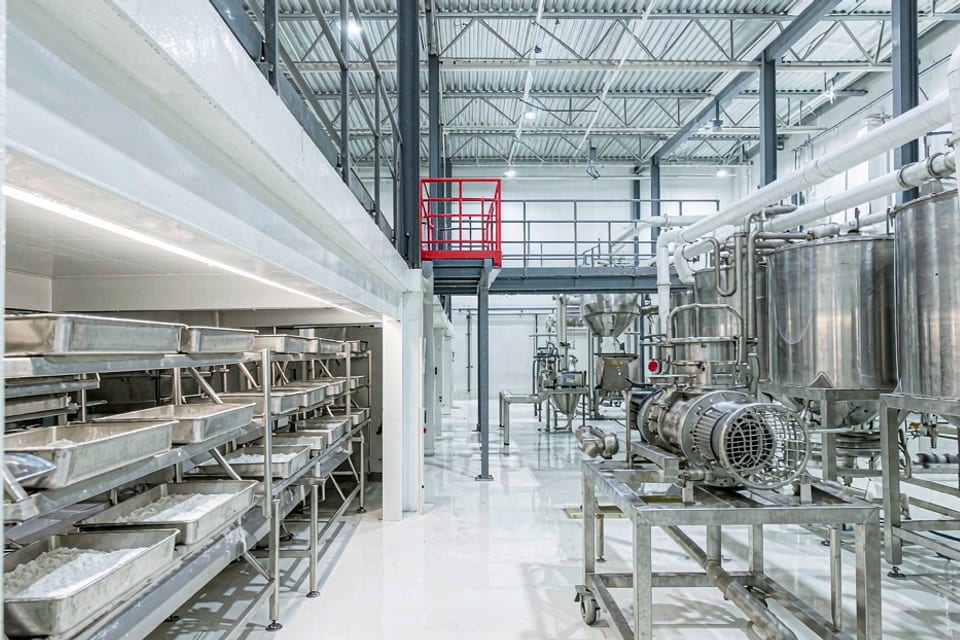
List of Parts and Material Selection
| Part / Component | Recommended Grade | Specifications / Thickness | Surface | Failure Modes | Reference Standards |
|---|---|---|---|---|---|
| Disassembly Surface | 304/316L | 1.5–3.0mm | 2B,Ra≤0.8μm | Cleaning + Scraping | GB/T 3280;GB 16798 |
| Conveyor Plates | 304 | 1.0–2.0mm | 2B / Brushed Finish | Wear + Protein Corrosion | GB/T 3280 |
| Scalding Pool/Tank | 304/316L | 2.0–4.0mm | 2B | Hot Water + Oil | GB/T 3280;NB/T 47014 |
| Halving Saw | 304/420 | 3.0–6.0mm | Business / Surface | BoneScraps Wear, Corrosion | GB/T 3280;GB/T 1220 |
| Chopper Bowl Body | 304 | 3.0–6.0mm | 2B,Ra≤0.8μm | Salt + Oil + Blade Scrubbing | GB/T 3280 |
| Chopper Blades | 420/440C | 5–12mm | Quenched + Polished | High hardness wear + corrosion fatigue | GB/T 1220 |
| Rota-macer inner wall | 304/316L | 2.0–4.0mm | 2B,Ra≤0.8μm | Salt water + vacuum + kneading wear | GB/T 3280 |
| Pulverizer auger/plate | 304/420 | 3–12mm | 2B / machined surface | Meat fiber wear + salt corrosion | GB/T 3280;GB/T 1220 |
| Smoker interior/airways | 304/316L | 1.5–3.0mm | 2B | Acidic high-temperature smoke condensate + fat | GB/T 3280 |
| Fish sorting platform/skid | 304/316L | 1.5–3.0mm | 2B | Seawater + fish blood + Cl⁻ pitting | GB/T 3280 |
| Fish paste washing tank | 316L | 2.0–4.0mm | 2B,Ra≤0.8μm | Salt water + repeated rinsing + low temperature | GB/T 3280 |
| Shrimp cooking line mesh belt | 304/316 | Wire diameter 1.0–3.0mm | Lustrous / 2B | High-temperature steam + salt + thermal circulation | GB/T 17492;GB/T 3280 |
| Cleaning Racks for Shellfish | 316L | 2.0–5.0mm | 2B | Soak in Sea Water + Sand | GB/T 3280 |
| Fishmeal Dryer Interior/ Cyclone Separator | 316L | 2.0–6.0mm | 2B | High Salt+High Temp+Wear | GB/T 3280 |
| Vegetable Washing Tank/Bubbler Tube | 304 | 1.5–3.0mm | 2B | Water+Silt Wear | GB/T 3280 |
| Juicer Screen/Screw | 304/316L | 1.0–3.0mm | 2B/Holes | Organic acid corrosion+wear | GB/T 3280 |
Table below isStandard Configuration.Same part may switch from 304 to 316L or 2205 based on usage conditions— explain clearly, not just specify the grade.
Material Points
- Most common grades in this industry are 304 (12), 316L (9), and 420 (3)— parentheses indicate number of affected areas, as a starting point for quoting and material procurement.
- Wear parts (edges, liners, conveyors) consider hardness, not just corrosion resistance (11/16 hits).
- Chloride ions and salts are the most common sources of corrosion (pitting, crevice corrosion) (8/16 hits).
- Thickness range 1–12 mm: Thin plates are mostly formed parts (considering bend back-arc and deep drawing cracks), thick plates are mostly welded structures (considering heat input and sensitization).
Common questions
What type of stainless steel is used most in the food processing industry?
How many parts are we looking at?
What's the most common grade?
Which part is prone to issues?
For what kind of material and temperature?
Thickness range in the list is 1–12 mm. For thin plates, consider bending and surface finish; for thick plates, welding and structural strength. Values may vary by equipment manufacturer for the same location, review your drawing or operating conditions.
Related materials and adjacent industries
Applications16
Thickness1–12mm