
C19 · Leather & Footwear
Stainless Steel Plates for Leather, Fur, Feather and Leatherware: 316L/304 Selection and 4 Part Lists
In Our Industry, We Have Compiled Four Stainless Parts: Commonly Used 316L / 304 / 201, with Thicknesses from 0.3 to 20 mm.
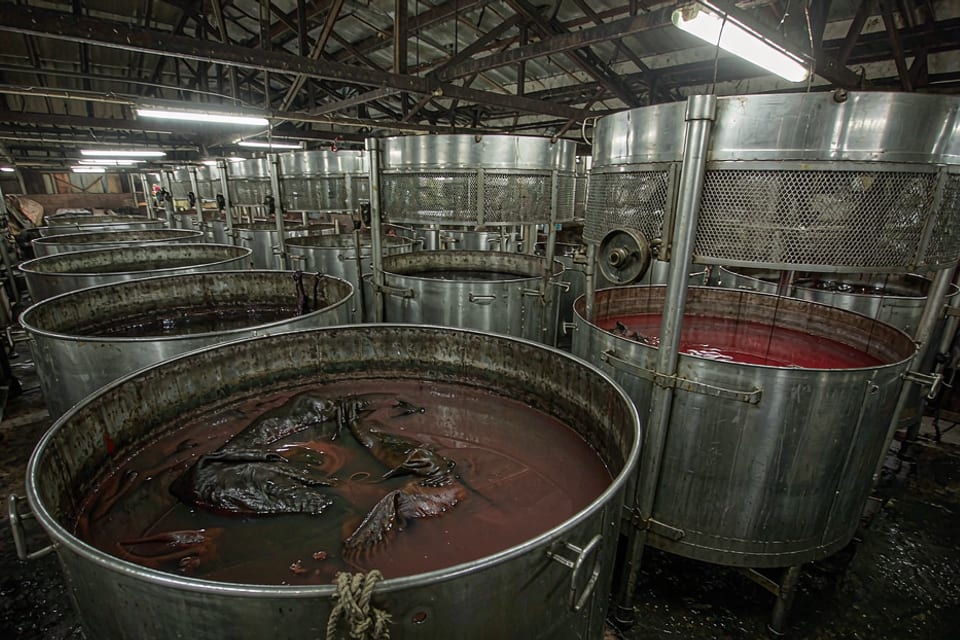
Four Parts and Material Lists
| Part / Component | Recommended Grade | Specifications / Thickness | Surface | Failure Modes | Reference Standards |
|---|---|---|---|---|---|
| Scraping Body/Screen | 316L | 3–10mm | 2B/Scouring | Chrome tannage + acid + corrosion + sulfide | GB/T 3280 |
| Tanning/Cleaning Pipes/Pump Bodies | 316L | 2–6mm | Scouring/2B | Chrome salt + organic acid + solvent | GB/T 3280 |
| Squeezing/stretching rollers | 316L/304 | Roll surface 5-20mm | Mirror/Grooved surface | Wear + corrosion | GB/T 3280 |
| Eyelets/Nail clasps | 304/201 | 0.3–1.0mm | Polishing/glazing | Deformation/sweat/friction | QB/T Standards Series |
Select materialsShow usage conditionsMaterial selection
Consider application specifics
- The most common grades in this industry are 316L (3), 304 (2), and 201 (1) —— numbers in parentheses indicate the number of parts involved, useful for quoting and material ordering.
- Consider hardness for worn parts (edges, liners, conveyors) beyond just corrosion resistance (2/4 hits).
- In acidic media, 316L is only a starting point; concentrations and temperatures increase to consider 904L / duplex (2/4 hits).
- Thickness range: 0.3–20 mm —— thin plates are often formed parts (consider bend-back and deep drawing cracking), thick plates are welded structures (consider heat input and sensitization).
What Are Common Questions?
Which stainless steel is used most in leather, fur, down, and shoe industries?
Based on total units, the top three are 316L (3), 304 (2), and 201 (1). Specific parts may require different grades depending on media and temperature, such as stainless countertops that need to switch from 304 to 316L when exposed to saltwater.
Which part is most prone to issues?
Based on failure descriptions, typical examples are "tanning drum body/bracket": chromium tannage + acid/base + wear + sulfides; recommended grade 316L, size 3–10mm. For this type of operation, it's advisable to specify media concentration, temperature, and cleaning methods in the design phase.
What thickness should I choose?
The range is 0.3–20 mm. Thin plates are concerned with forming and surface quality, while thick plates focus on welding strength and structural integrity; different manufacturers may have varying values for the same part based on your drawings or operating conditions. Recheck these requirements.
Related Materials and Adjacent Industries
Applications4