
C42 · Recycling
316L/S21800 Stainless Steel Plates for Waste Resource Utilization Industry: Selection and 3 Item Lists
In the waste resource utilization industry, we have organized three stainless steel parts: commonly used 316L / S21800 / 904L, with thickness ranging from 3–50 mm.
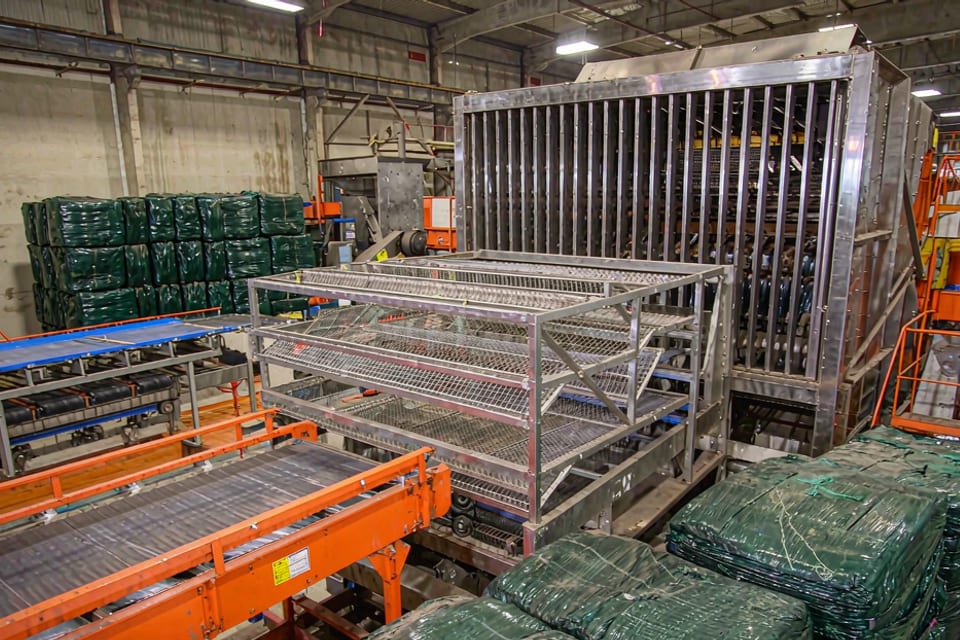
Three Parts and Material Lists
| Part / Component | Recommended Grade | Specifications / Thickness | Surface | Main failure modes | Reference standards |
|---|---|---|---|---|---|
| Crusher screens and liners for scrap steel/aluminum | S21800/Dual-phase steel/Manganese steel | 10–40mm | Forged/Forced-welded/Weld overlay | High impact wear + corrosion | ASTM A276;GB/T 3280 |
| Waste batteries/Electronic waste leaching tanks/pipes | 316L/904L/254SMO | 3–12mm | 2B/Acid pickling | Acid/base leaching + heavy metals + Cl⁻ | ASTM A240;GB/T 3280 |
| Grate of incinerators/Smokestacks | 310S/Heat-resistant castings/316L | 10–50mm | Cast surface/2B | High temperature + chloride corrosion + wear | GB/T 8492;GB/T 3280 |
Table showsStandard configurations.A single part may require different grades (e.g., 304 to 316L or 2205) depending on the medium, temperature, and welding method. Clearly stating usage conditions is more convenient than specifying a particular grade.
Material Selection Tips
- Common Alloy Grades: 316L (2), S21800 (1), 904L (1)
- Corrosion Sources: Chlorides and Salts (pitting, crevice corrosion) (2/3 hits)
- Wear Parts: Hardness Considerations (2/3 hits)
- Thickness Range: 3-50 mm (sheet forming vs. welding considerations)
Common Issues
What Stainless Steel is Used in Scrap Recycling?
Top 3 parts: 316L (2), S21800 (1), 904L (1)
What parts are most prone to issues?
By failure description, typical is "spent batteries/elec waste leaching tank/pipes": acid/base leaching + metals + Cl⁻. Recommended grades 316L/904L/254SMO, size 3–12mm. For this condition, specify media concentration, temperature, and cleaning method in the design phase.
What thickness should I choose?
Thickness ranges from 3–50 mm. Thin plates consider forming and surface quality, thick plates welding and structural strength; different manufacturers may have varying values for the same part based on your drawings or operating conditions. Recheck as needed.
Related Materials and Adjacent Industries
Applications3
Thickness3–50mm